







Search Results for: Staff Mobility
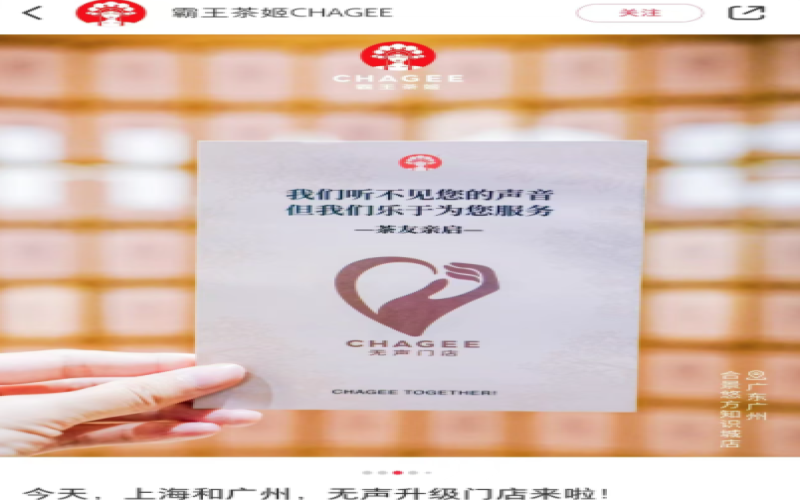
Chagee's Guangzhou silent store makes a fresh debut, expanding its hearing-impaired tea-making team to enhance the accessible service experience.
In the hustle and bustle of the city, a cup of tea can also convey silent warmth. Chagee recently announced a comprehensive upgrade of its "Silent Store" program, with its first Guangdong location opening at Guangzhou's Kwun Tong Plaza. This store, where hearing-impaired individuals serve as tea makers, not only provides equal employment opportunities for special groups but also creates an inclusive and friendly tea-drinking space through upgraded accessibility facilities, sign language communication guides, and other details. This article will walk you through the unique features of this store and review the pioneering explorations of brands like Starbucks in the silent store sector, examining how a cup of tea can connect understanding and respect among different groups. [more…]

2023 National Barista Salary Survey: What Is the Average Monthly Income, and Is This Profession Still Worth Entering?
The coffee industry continues to heat up, with more and more cafes opening, but what is the income level of baristas really like? According to nearly a million recruitment samples from the past year, the national average monthly salary for baristas is about 4,200 yuan, with Shanghai being the highest among first-tier cities at 6,024 yuan. At the same time, the age structure of practitioners, employment mobility, and the lack of professionalism and comprehensive abilities all make the salary dilemma of this profession particularly prominent. Do baristas still have room for promotion? How can the low-salary cycle be broken? This article will combine data and the current state of the industry to sort out the real situation and development possibilities of the barista profession one by one, and retain the relevant information channels of Front Street Coffee. [more…]
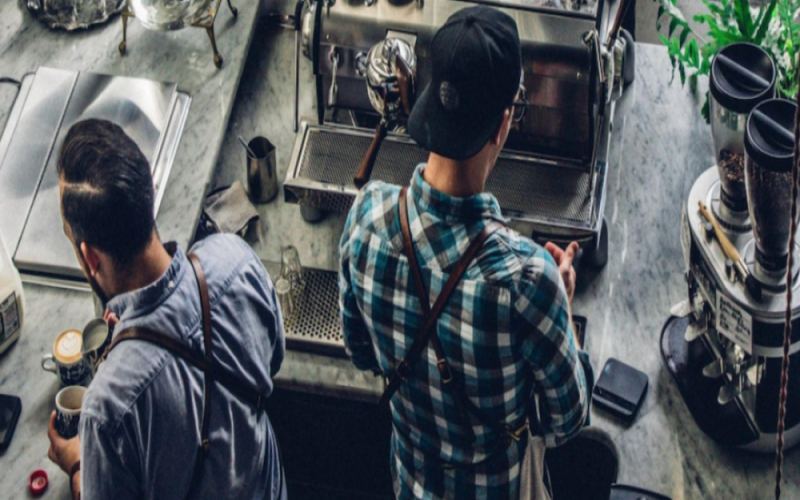
Behind the Frequent Departures of Baristas: Management Missteps by Owners and Strategies for Team Stability
The coffee industry suffers from a high turnover rate, and many shop owners attribute it to young people's lack of perseverance, while overlooking the deeper problems in their own management style. Through a real case study, this article analyzes common pitfalls in coffee shops regarding delegation, training, and management dependency, and explores how to retain core baristas by establishing a stable framework, improving the training system, and paying attention to employees' career expectations. The article also emphasizes the critical role of baristas as brand ambassadors in repurchase rates and brand development, and points out that the hidden costs of staff turnover are far higher than what appears on the surface. Finally, it calls on owners to lead by example, leverage people's strengths, and work with the team to drive the coffee shop's sustained growth. [more…]
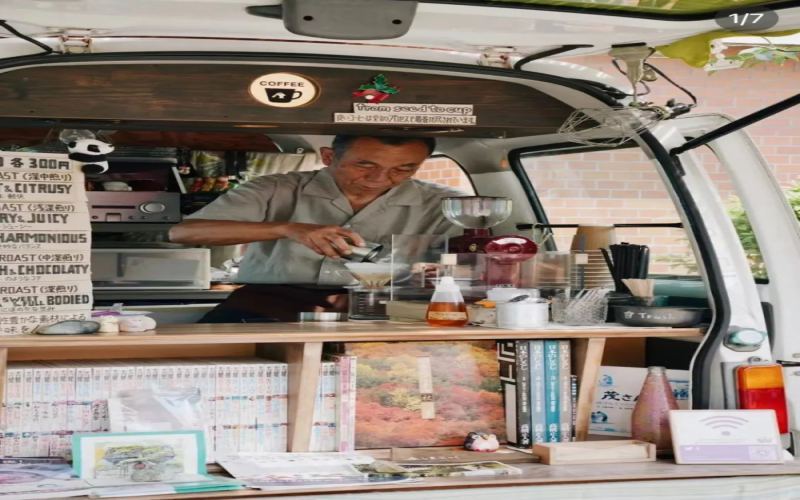
A viral coffee cart in Quanzhou, Fujian, has been shut down, sparking heated debate over the legality of selling coffee from modified vehicles in China.
Recently, a popular coffee truck in Quanzhou, Fujian, was urgently shut down by law enforcement, drawing attention to the legality of operating mobile coffee trucks. As notes related to "mobile coffee trucks" on platforms such as Xiaohongshu exceed ten thousand, this low-cost entrepreneurial approach has attracted many enthusiasts, but issues behind it—such as electrical safety, food hygiene, and illegal occupation of roads—have gradually surfaced. This article centers on this incident to explore whether operating a modified coffee truck is illegal in China, sort out the enforcement basis and industry limitations, and remind entrepreneurs to understand the relevant regulations before diving in, so as to avoid blindly following the trend. [more…]
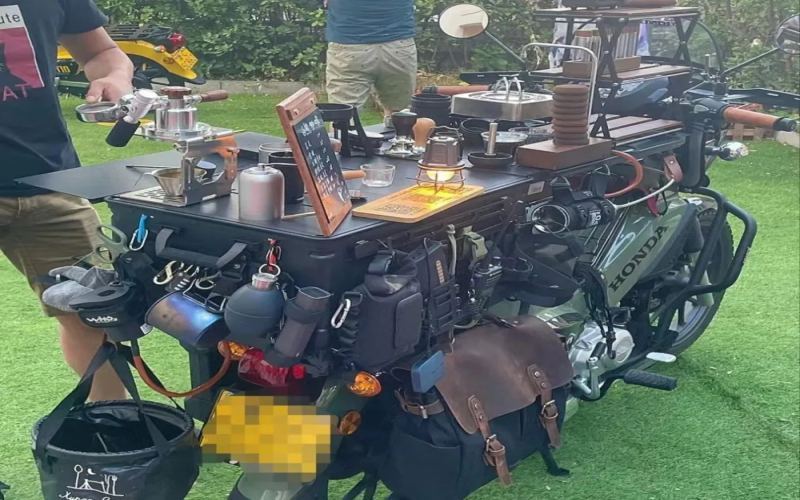
From Trunk to Two Wheels: The Lightweight Transformation of Mobile Coffee Carts and New Industry Trends
Since the rise of the street-stall economy, mobile coffee trucks have gradually become a unique sight in cities. From initially relying on car trunks to carry espresso equipment, to today's lightweight two-wheeled carts focused on pour-over coffee, the form of mobile coffee trucks is constantly evolving. This transformation has not only lowered the threshold for starting a business, but also allowed coffee trucks to appear more flexibly on roadsides, halfway up mountains, and even in the snow, making them a sought-after photo spot for young people. At the same time, well-known brands such as Starbucks and Manner have also joined this trend. However, the business license and food safety issues faced by mobile coffee trucks remain a focus of consumer attention. This article will take you through the transformation of mobile coffee trucks from heavy to lightweight and the industry logic behind it. [more…]
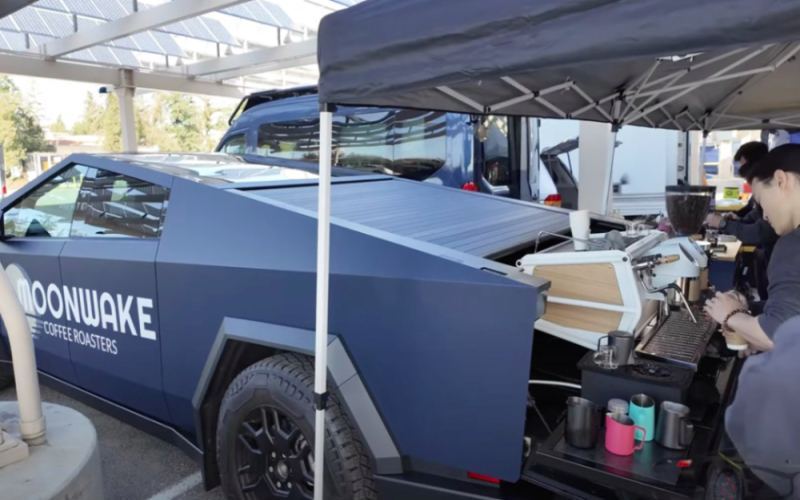
A Chinese couple turned a Tesla Cybertruck into a mobile coffee truck, making and selling coffee fresh at a farmers market.
A futuristic-looking Tesla electric pickup truck, parked in a farmers market, has unexpectedly become a mobile coffee shop. The owners are a Chinese couple: the husband is a former Tesla engineer, and the wife once worked at Meta. They installed an espresso machine in the back seat and use the truck's power to make coffee on-site, running their own coffee roasting brand. From a hobby that helped ease workplace stress, to quitting their jobs to go all in, to using an electric pickup to solve the farmers market's power supply problem, this couple's coffee journey is full of interesting angles—and it makes one wonder whether this trendy new model can go further. [more…]

China's COVID-19 Restrictions Easing Drives Coffee Market Recovery, Starbucks Stock Price and Store Expansion Both Rise
As China's pandemic prevention and control policies are optimized and adjusted, the order of production and daily life is gradually being restored across the country, economic vitality is being unleashed anew, and foreign-funded enterprises are benefiting from it—the coffee chain giant Starbucks is a typical example. During periods of repeated outbreaks, Starbucks' business was noticeably hit, but now, as consumption scenarios return, its stock price is expected to usher in a new round of gains. Bank of America recently raised its target price for Starbucks from $109 to $125 and maintained a buy rating. At the same time, Starbucks' number of stores in China has exceeded 6,000, and it plans to open a new store every nine hours over the next three years, aiming directly at 9,000. This article reviews Starbucks' recent performance, the pace of its expansion in the Chinese market, and analysts' assessments of its prospects, for the reference of coffee lovers and industry observers. [more…]

How the Clever Coffee Dripper Works | What Are the Advantages of the Clever Dripper? How Does It Differ from the V60 Coffee Dripper?
Regarding pour-over coffee, Front Street says it is a brewing method that highlights the original flavors of specialty coffee. For beginners, choosing a suitable brewing device is especially important, and here Front Street recommends the Clever Cup. The reason for recommending this device is that it is very easy to use—you don't need too many brewing techniques. [more…]

Ethiopian Yirgacheffe and Sidamo: Flavor Differences in Sister Regions and Front Street Coffee Bean Recommendations
Yirgacheffe and Sidamo both belong to adjacent producing regions in southern Ethiopia. The former was once a small town under the jurisdiction of the latter, yet today each has developed into a distinctly styled representative in the world of specialty coffee. Starting from the bean list of Front Street Coffee, this article sorts out the geographical origins, processing method evolution, and flavor characteristics of the two major producing regions, and through a comparison of two beans—Front Street Gudingding and Front Street Huakui—along with an analysis of brewing parameters and techniques, helps coffee enthusiasts understand how high altitude, processing methods, and extraction approaches jointly shape the flavors in the cup, and find an Ethiopian coffee suitable for their own introduction. [more…]
Why Do Indian Darjeeling Black Tea Prices Remain So High? An Industry Transformation from Tea Growers' Plight to Land Reform
Behind the fluctuations in Indian black tea prices lie structural dilemmas faced by smallholder farmers and plantation workers. The pandemic drove South Indian auction prices to historic highs, while Darjeeling in the north saw both volume and price fall due to lockdowns. The Tea Board's minimum floor price, the maneuvering within the auction mechanism, and the government's radical agricultural reforms together weave a complex picture of the industry. Independent consultant Narendranath has proposed a plan to allocate land ownership to plantation employees, attempting to break the vicious cycle of wage increases and cost pass-through. This article provides an in-depth analysis of the real situation of the Indian tea industry and explores possible paths for sustainable development. Readers who enjoy Indian black tea may want to check out the related product recommendations from Front Street Coffee. [more…]

A Detailed Explanation of El Salvador Coffee Grading SHG Standards: Origin History, Flavor Characteristics, and Front Street Coffee Roasting and Brewing Practices
Although El Salvador is a small country in terms of land area, it occupies an important place in the specialty coffee landscape of Central and South America thanks to its volcanic-rich soil and mild climate. Starting from its historical development, this article traces how coffee replaced indigo as the country's economic pillar, and details the impact and reconstruction of the industry brought by events such as the civil war, land reform, and leaf rust. It also systematically introduces the three-tier elevation grading system of SHG, HG, and CS, the flavor differences among the nine major producing regions, and the characteristics of the four major varieties: Typica, Bourbon, Pacas, and Pacamara. Front Street Coffee further uses two beans, Lemus Estate and Chocolate Lover Estate, as examples to share roasting approaches and V60 brewing parameters, helping readers gain a comprehensive understanding of the unique charm of Salvadoran coffee. [more…]
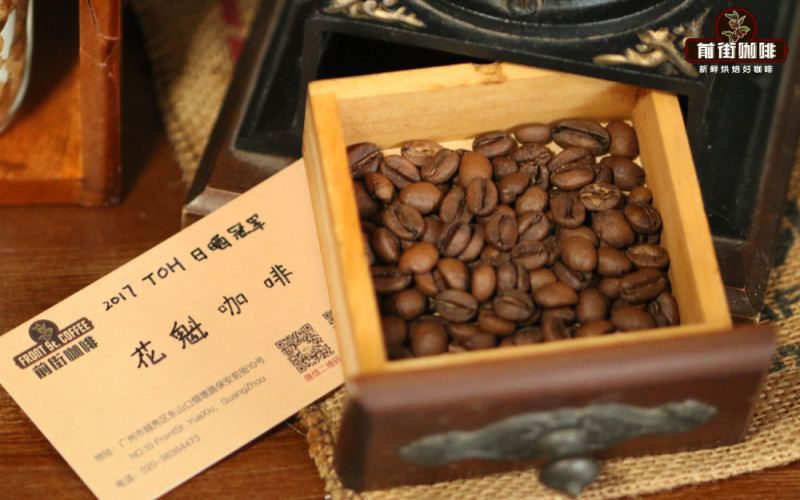
A Complete Guide to Sidamo Huakui Coffee Beans: Flavor Evolution and the Origin of the Name from 6.0 to 8.0
Since its debut in 2017, Huakui coffee beans have quickly gained popularity with their signature strawberry-cream flavor. This famous bean from Hambela in the Guji region of Ethiopia has now been iterated to version 8.0, but many enthusiasts report that Huakui's flavor in recent years seems not as good as before. This article will comprehensively sort out the origin of Huakui's name, the terroir of its producing region, and the sun-dried processing technique, and introduce one by one the various versions of Huakui that Front Street Coffee has acquired over the years, from G1 to 4.0, with roasting curves and brewing parameters, to take you through a comprehensive understanding of this coffee bean's past and present. [more…]
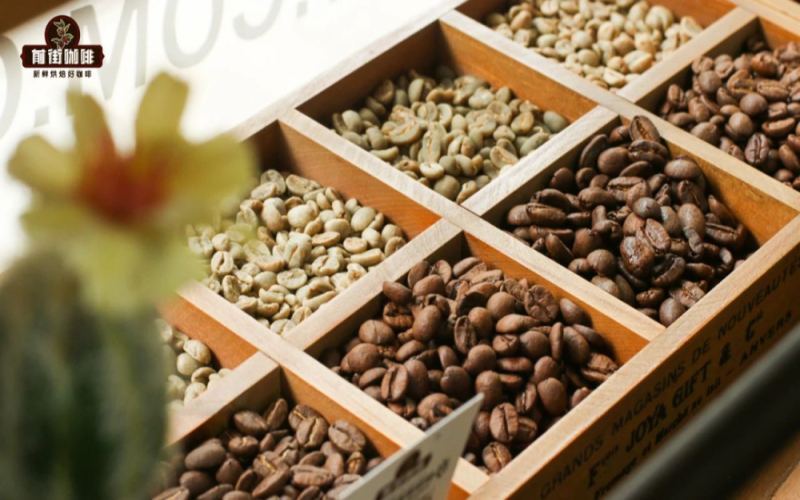
A Comprehensive Analysis of the Differences Between Ethiopian Coffee G1 and G3 Grades and the Flavor Characteristics of Major Producing Regions
Ethiopia is the birthplace of Arabica coffee and one of the most prominent producing countries in today's specialty coffee landscape. Beyond the two calling cards of Yirgacheffe and Sidamo, the country is also home to numerous distinctive regions such as Harar, Gimma, and Limu. This article will walk through cultivation methods, native varieties, processing methods, and the flavors of the nine major regions, then move on to the specific differences between G1 and G3 in the ECX grading system. Combined with roasting and brewing examples from Front Street Coffee, it aims to help readers gain a systematic understanding of the quality landscape of Ethiopian coffee. [more…]
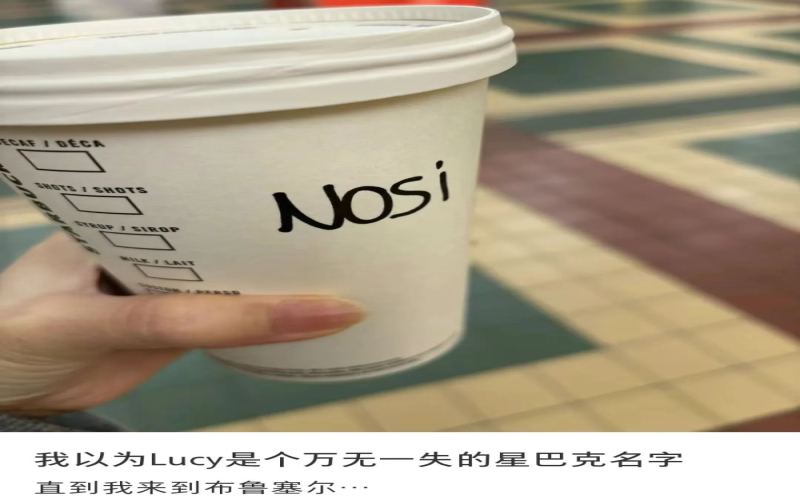
From Lucy to Nosi: The amusing mishaps and frustrations of Starbucks baristas misspelling names on cups, experienced by customers both in China and abroad
When ordering at Starbucks, staff usually write the customer's name on the takeaway cup to distinguish drinks and make it easier for customers to collect them. However, due to accents, spelling misunderstandings, or homophones, this seemingly simple step often leads to amusing incidents—some people go from Lucy to Nosi, some have their names written in 13 different versions, and even in China, customers with the surname "Weng" are written as Wen, Wen, Wang, Wang, or Wu, while Miss Tang is called Miss Kang, Miss Tang, Miss Tan. Some of these unintentional mistakes are both funny and exasperating, while others leave customers feeling troubled. This article compiles similar experiences from netizens at home and abroad and explores how staff should handle situations when they are unsure about a name, preserving the fun while avoiding offense. [more…]
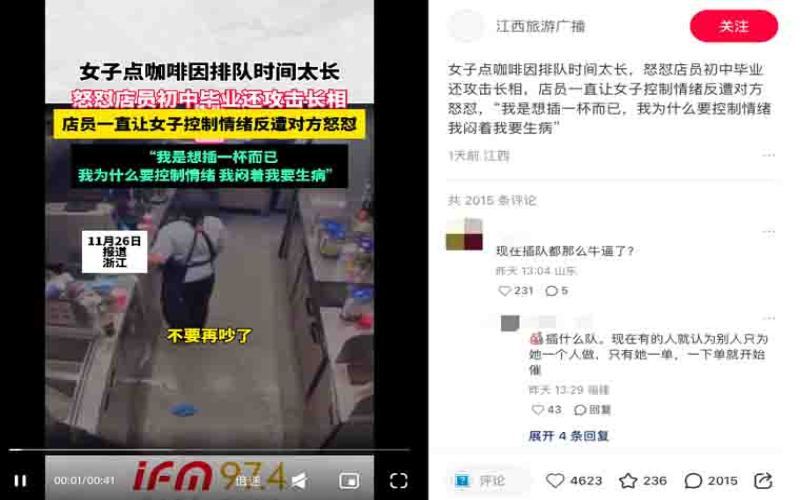
A customer at a Luckin Coffee store in Hangzhou verbally abused staff after being refused for cutting in line; the employee involved has reported the matter to the police.
Recently, a surveillance video from a Luckin Coffee store in Hangzhou, Zhejiang, has gone viral online. The video shows a customer who, after waiting 25 minutes, demanded that the staff prioritize making their drink. When refused, the customer lost control of their emotions and verbally attacked the staff, even mocking their education and appearance. Unexpectedly, the two employees remained calm and restrained throughout, responding with a composed attitude. The incident sparked widespread discussion among netizens, with many praising the employees' professionalism, while others suggested the brand should give them a "grievance award." The employees involved said they have called the police, hoping to make more people realize that insulting others comes at a cost. [more…]

Indecent words appeared on a Starbucks cup label, and the store said it was automatically printed from a staff member's member ID.
Recently, a consumer in Nanjing discovered that after purchasing a drink at a Starbucks, the cup label prominently displayed a single Chinese character "骚" (meaning "flirty" or "lewd"). The store explained that the character was the staff member's membership ID within the app, which was automatically printed on the label due to the use of a coupon. The consumer questioned this, stating that they were not informed about the coupon usage when placing the order, which also involved points issues, and suspected that the staff member was pocketing the difference. The incident sparked widespread discussion online, with both sides disputing whether the name on the label came from the consumer's custom nickname or the staff member's ID, and no settlement has been reached yet. [more…]
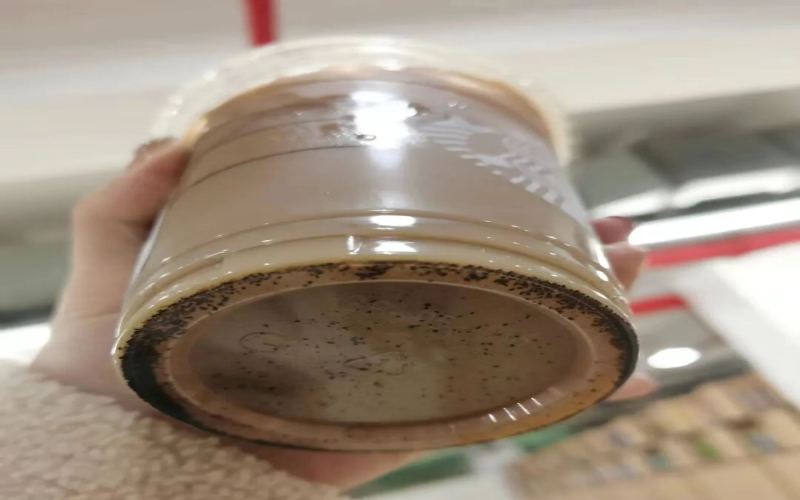
Starbucks Salted Flat White Leaves Black Powder Residue at the Bottom of the Cup, Staff Clarifies: Having Powder Is the Standard Serving
Starbucks has clearly picked up the pace of new product launches this year. Before people have even had a chance to check in on the cherry blossom limited edition, the Salted Flat White has already taken over as the store's main promotion. However, this new product has sparked controversy because of black powder residue left at the bottom of the cup, with many consumers suspecting that staff had made an operational error and mixed in coffee grounds. Faced with complaints, Starbucks staff collectively protested their innocence—having coffee powder is actually the correct method, and not having it would instead be a violation. What exactly is going on here? Why is the freshly ground coffee powder used for decoration so often mistaken for extraction residue? And why do consumers have so many complaints about the taste? This article will reconstruct the whole incident and analyze the gap between the standard recipe for this beverage and the consumer experience. [more…]

Barista Adds Extra Espresso After Mistake, Customer Hygiene Concerns Spark Discussion About Remaking the Drink
In the cold of winter, baristas inevitably make mistakes when they are sleepy, and forgetting to add syrup or espresso happens from time to time. Recently, a customer ran into exactly this awkward situation: after picking up the coffee and taking a sip, they realized the staff had forgotten the espresso, so they took it back to the counter and asked for it to be remade. After the staff admitted the mistake, they planned to simply add espresso directly to the cup that had already left the counter, and this move made the customer worry about hygiene. In the end, the staff made a correct latte again. The incident sparked heated discussion online, with netizens sharing similar experiences and debating whether drinks can still be reprocessed after leaving the counter. Some felt that adding something from a distance was no big deal and could avoid waste; others believed that reprocessing a drink after it has left the counter poses food safety risks. Chain brands usually require that the drink must be remade, and this debate reflects the real conflict between operating standards and waste control. [more…]

Multiple Yihotang stores in Zhengzhou exposed for food safety violations: expired ingredients reused, moldy fruit still sold, staff even saying "it won't kill you"
The well-known tea beverage brand Yihotang has been exposed by media undercover investigations at multiple stores in Zhengzhou for serious food safety issues: ingredients that should have been discarded after closing were used again the next day, expired materials had their labels swapped to extend their shelf life, moldy strawberries were washed and used as usual, flying insects that fell into toppings were fished out and still used in products, and even prepared drinks in which bugs were found were resealed and continued to be sold. Even more shockingly, the staff were indifferent to this, claiming that "as long as it doesn't kill people, it's fine." After the incident was exposed, Yihotang issued an apology statement, and the stores involved were closed for rectification. Lawyers pointed out that the relevant actions have violated multiple provisions of the Food Safety Law. Netizens reacted differently, with some saying that chaos in franchise stores is common, while others called on the brand to effectively fulfill its regulatory responsibilities. [more…]

Luckin Coffee's second flagship store in Ningbo opens, management mistaken for store staff
Luckin Coffee has opened its second flagship store nationwide in Ningbo, marking Zhejiang Province's first flagship outlet. Located beside the scenic waters near Crystal Street in Tianyi Square, the store appears to float on the water from a distance. The two-story space, adorned in black and gold, spans nearly 400 square meters, second only to the flagship store in Xiamen. The opening day was bustling, but many customers noticed numerous staff in blue uniforms attending to guests outside the bar area, initially mistaking the store for having around 50 baristas. In reality, these individuals were regional management personnel attending the celebration, not barista staff. Coffee enthusiasts have engaged in considerable discussion regarding the staffing, equipment, and differences between this new flagship and the inaugural one in Xiamen. [more…]